
banner

Dave Says Archives for 2024-08

A 'Heart Problem'


Dear Dave,


I’m pretty responsible with finances, but my girlfriend is in a bad situation with her money and her career. She has a huge car payment, and lots of credit card debt. On top of this, it takes almost 40% of what she brings home each month just to pay rent, and she quit her job because she decided she didn’t like it anymore. She’s been floating lots of ideas, like filing bankruptcy or moving in with me. She thinks us living together will help her learn to be more responsible with her finances. I’m concerned that if she can’t handle her finances on her own, what will happen if we move in together? Your advice would be appreciated.


Dan


Dear Dan,


I can’t say if she’s technically bankrupt at this point. But for starters, she definitely needs to sell the car and find a cheaper place to live. I’m also not sure how long you two have been seeing each other, but this is someone to keep dating, not marry or let move in.


The hard reality is that bankruptcy’s not going to solve anything if she’s got a heart problem. By “heart problem,” I mean if she buys things thinking stuff will make her happy and living way beyond her means in the process. Lots of folks mistakenly think they are where they live or what they drive. Those are the kinds of heart problems I’m talking about. And it’s the way I was years ago before going broke knocked some sense into me. It wasn’t until then I realized I had to make some serious changes in my life.


Don’t get me wrong. What I’ve just said doesn’t mean this lady’s a bad person. It just means she’s got some growing up to do. And all the money matters aside, you don’t just up and quit your job without a solid plan in place unless there’s a serious matter of principle at stake, or you’re the victim of abuse or harassment. Leaving one job for another is fine. But the idea of suddenly deciding you just don’t like something, then walking away from it when you’ve got a bunch of financial obligations, is just plain irresponsible. You don’t jump off the dock until the boat arrives!


Again, I don’t know all the details behind her finances, but chances are she’s not bankrupt. There are some character issues in all this that need to be addressed, though. If it were me, I’d suggest she spend some time seeing a good financial counselor—one with the heart of a teacher. Then, you can act as her support system to help keep her on track, and encourage her to keep moving forward toward getting control of her money.


— Dave
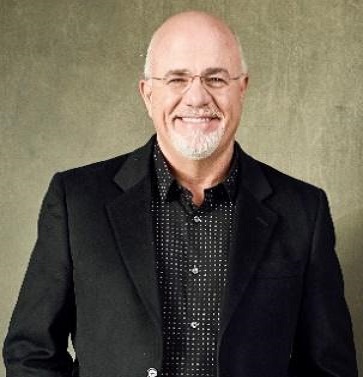


* Dave Ramsey is a national best-selling author, personal finance expert and host of The Ramsey Show, heard by more than 20 million listeners each week. He has appeared on Good Morning America, CBS Mornings, Today Show, Fox News, CNN, Fox Business, and many more. Since 1992, Dave has helped people regain control of their money, build wealth and enhance their lives. He also serves as CEO for the company, Ramsey Solutions.


What


Dear Dave,


I was talking to some friends the other day about wills and trusts. They seemed to have a variety of opinions, so can you straighten things out for me? I don’t have a will or a trust, and my financial situation is pretty simple. I just want to make sure I do the right thing.


William


Dear William,


This is a great question. I’m sure your friends are smart folks, but I’m glad you’re looking for more answers. I’m not a lawyer, so I’m just going to give you a few simple things to think about. Also, I’d strongly suggest you talk to an experienced will and trust lawyer, one with the heart of a teacher, who will give you all the facts and put your best interests first.


Basically, a will is a legal document that explains what you want to happen with your stuff when you die and puts it all in writing. There are many different types of wills, but for most people a simple will is all you need to establish a solid estate plan that protects your family if something happens to you.


Trusts tend to be geared toward people with more assets and unique or complex estate issues. They also come in lots of different forms like, living trusts, revocable and irrevocable trusts and special needs trusts, just to name a few. In my mind, if you have less than $1 million in assets—and your financial world is pretty simple and straightforward—a will gets the job done just fine.


One of the most important differences between wills and trusts is the ability to name a guardian for your minor children. You can name a legal guardian in your will, but you can’t in a trust. So, even if you have a trust, you’ll still need a will to make sure your kids are taken care of after you die.


Another important distinction between the two is that a trust lets you skip probate court—a will doesn’t. Probate court cases can drag on forever. Plus, they can be expensive. If your estate gets mixed up in probate court because someone challenges the will, it could mean your family has to spend months in court while grieving. No one wants to go through that. While we’re on the subject of probate court, let’s talk about another sticky subject.


There’s a little bit of crazy in every family. You probably know who they are in your family, but if you don’t, it might be you. Seriously, though, we all know some families that seem to have more than their fair share of crazy and drama, and wills are best for families that struggle with these issues and tension between family members. Probate court can resolve those problems. On the other hand, families who can handle healthy conflict, and who trust each other, are better off with a trust, since they don’t need a probate court to babysit them.


And if you’re wondering if you can have both a trust and a will, the answer is yes. In fact, most people who have a trust have a will, too.


I hope this little bit helps!


—Dave


*  Dave Ramsey is a national best-selling author, personal finance expert and host of The Ramsey Show, heard by more than 20 million listeners each week. He has appeared on Good Morning America, CBS Mornings, Today Show, Fox News, CNN, Fox Business, and many more. Since 1992, Dave has helped people regain control of their money, build wealth and enhance their lives. He also serves as CEO for the company, Ramsey Solutions.

 

A Solid Track Record


Dear Dave, 


How do you know when the time is right to buy a place and stop leasing? I’ve operated my own small business for three years, and in that time, I have leased the building that houses my company. Thanks for your help.


Jon 


Dear Jon, 


I’m a big fan of leasing the first few years after starting your own business. Now, it’s even better if you can work out of your home when just starting out. But I understand that depending on the type of business you’re running, that route’s not always possible. 


You should only buy a building when you have a really good idea exactly what your building needs will be, based on a solid track record. Growth in business is a good thing. But in some cases, you may want to hold off buying a building if you’re growing too rapidly. Don’t make the mistake of focusing too much on real estate, and not enough on generating revenue and managing your growth wisely. You’d also want to make sure you’re going to be in anything you buy for a while, because you don’t want to be stuck with a residual value—the remaining value of an asset after it has been fully depreciated. 


So, yeah. In the first three to five years of starting your business, it’s always a good idea to lease.?After that, and once your company has a proven record of success, you can think about leasing with an option to buy, or—in the right situation—buying a building.


Debt-free, of course! 


—Dave


* Dave Ramsey is an eight-time national bestselling author, personal finance expert and host of The Ramsey Show. He has appeared on Good Morning America, CBS This Morning, Today, Fox News, CNN, Fox Business and many more. Since 1992, Dave has helped people take control of their money, build wealth and enhance their lives. He also serves as CEO for Ramsey Solutions.

Only if You


Dear Dave, 


How do you feel about someone buying a vacation home, then renting it out when they’re not there? 


Randall


Dear Randall, 


As long as you’re debt-free and buying with cash, I’m cool with it. A vacation home is a really nice “extra” as you start building wealth. It’s still basically a very large, very expensive toy. Still, it could become something of a money maker for you if you play your cards right. 


But here’s another side to vacation home rentals that most folks don’t consider. You might make some money, but there will almost always be several weeks during a year when it sits there empty. Chances are you won’t get rich renting it out, but if you’re talking about something that’s more of a plan to offset the annual costs of your toy, I don’t think you’ll be disappointed. 


Be ready to deal with lots of spills on the carpet and damage from your guests, along with general maintenance and repairs. There’s always something that needs attention when you own a property. But if you can handle all that financially and emotionally, I think you’ll be fine.


Best of luck, Randall! 


—Dave


* Dave Ramsey is an eight-time national bestselling author, personal finance expert and host of The Ramsey Show. He has appeared on Good Morning America, CBS This Morning, Today, Fox News, CNN, Fox Business and many more. Since 1992, Dave has helped people take control of their money, build wealth and enhance their lives. He also serves as CEO for Ramsey Solutions.

On Air Now

Guy Benson
Guy Benson
9:00pm - 12:00am
The Guy Benson Show

Weather

Submit Items For Tradio!